
"Arabia coffee history"
300 article(s) found

History of Coffee Culture the spread and Development of Coffee
European historians argue that as early as 800 years ago, there were artificial coffee trees for trade in Yemen in the southern Arabian Peninsula, and there was historical evidence that at that time, there was indeed trade across the Red Sea between Yemen and Ethiopia. Based on this, it is speculated that if the use of coffee was discovered by Ethiopians, then coffee
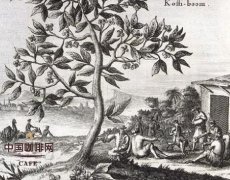
The earliest coffee drink in history the history of coffee along the way
Ethiopia used to chop up coffee fruits and use oil to crush them into balls and eat them as food. This practice spread to Arabia, where coffee seeds were chopped and boiled and spiced to become Cafe ala Sultana, the earliest coffee drink in history. Turkish coffee is brewed with an utensil similar to a spoon (Ibrik), a traditional method that allows deep-roasted coffee.

European Coffee History Coffee Culture how did Turkish Coffee Coffee come into Arabia?
European historians argue that as early as 800 years ago, there were artificial coffee trees for trade in Yemen in the southern Arabian Peninsula, and there was historical evidence that at that time, there was indeed trade across the Red Sea between Yemen and Ethiopia. Based on this, people speculate that if the use of coffee was discovered by Ethiopians, then coffee
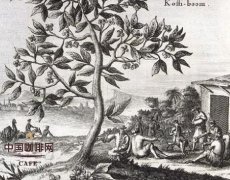
Boutique Coffee the History of the World Coffee
Ethiopia used to chop up coffee fruits and use oil to crush them into balls and eat them as food. This practice spread to Arabia, where coffee seeds were chopped and boiled and spiced to become Cafe ala Sultana, the earliest coffee drink in history. Turkish coffee is brewed with an utensil similar to a spoon (Ibrik), a traditional method that allows deep-roasted coffee.

Introduction to the history of Salvadoran coffee, Salvadoran coffee taste
Following caf é comments (official Wechat account vdailycom) found that Beautiful Cafe opened a small shop of its own. Saguo still uses the most traditional shade tree planting method, which has a positive effect on the aroma of coffee. In the fifth year of the second OO, Pacamara, a native hybrid of Saudi Arabia, showed his skill in an extraordinary cup, which confused the surveyors of the International Cup, and did not know how to score the unfathomable Pacamara.

The cultural development of coffee the development process of coffee beans
Ethiopia used to chop up coffee fruits and use oil to crush them into balls and eat them as food. This practice spread to Arabia, where coffee seeds were chopped and boiled and spiced to become Cafe ala Sultana, the earliest coffee drink in history. Turkish coffee is brewed with an utensil similar to a spoon (Ibrik), a traditional method that allows deep-roasted coffee.

The evolution of coffee drinking patterns
Ethiopia used to chop up coffee fruits and use oil to crush them into balls and eat them as food. This practice spread to Arabia, where coffee seeds were chopped and boiled and spiced to become Cafe ala Sultana, the earliest coffee drink in history.

What is Yemeni coffee? What are the growing characteristics of Yemeni coffee?
For more information on coffee beans, please follow the coffee workshop (Wechat official account cafe_style) Yemen is located in Asia, south of Arabian Peninsula, bordered by Saudi Arabia (Saudi Arabia) to the north, Oman (Oman) to the northeast, the Red Sea (Red Sea) to the west, and the Gulf of Aden (Gulf of Aden) to the east and south.

The originator of coffee trade: the history of Yemeni mocha coffee the origin of the name of Yemeni mocha coffee
Professional coffee knowledge exchange more coffee bean information please follow the coffee workshop (Wechat official account cafe_style) Yemen is located in the southwestern tip of the Arabian Peninsula, adjacent to Saudi Arabia and Oman, bordering the Red Sea, the Gulf of Aden and the Arabian Sea. Yemeni mocha coffee is the oldest coffee in the world, and Yemen is one of the first countries in the world to grow coffee. It is said that as early as 1561 AD, Zheng he

The Origin of Coffee History several legends about the origin of coffee
The origin of coffee: where does the word coffee come from? some people think that it comes from a region called Kaffa (caffa) in Ethiopia, which sounds similar to coffee. However, the early inhabitants of the Kaffa region called coffee Djimmas, and the Arab world did not use Kaffa to represent coffee, so this is likely to be a phonetic aphorism for Westerners. The early Arabs used to
The Development of Coffee and the Promotion of Arabia, China and Turkey
The dietary use, cultivation and development of coffee in the Arab region are also related to Zheng he's voyages to the West in the early Ming Dynasty.

Yemeni mocha, the world's only full-time coffee producer, game mocha, Yemen mocha.
For more information on coffee beans, please follow Coffee Workshop (Wechat official account cafe_style) Yemen Mocha Coffee Yemen borders the Arabian Sea to the south with a coastline of 1906 km, Oman to the east and Saudi Arabia to the north, with a border length of 1746 km (288km with Oman and 1458 km with Saudi Arabia). Yemen is dominated by mountain plateaus.

The evolution of coffee drinking patterns in coffee culture
Ethiopia used to chop up coffee fruits and use oil to crush them into balls and eat them as food. This practice spread to Arabia, where coffee seeds were chopped and boiled and spiced to become Cafe ala Sultana, the earliest coffee drink in history. Turkish coffee is brewed with an utensil similar to a spoon (Ibrik), a traditional method that allows deep-roasted coffee.
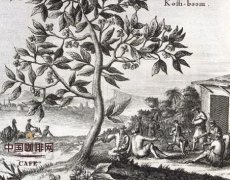
Ethiopian Coffee Culture Coffee
Ethiopia used to chop up coffee fruits and use oil to crush them into balls and eat them as food. This practice spread to Arabia, where coffee seeds were chopped and boiled and spiced to become Cafe ala Sultana, the earliest coffee drink in history. Turkish coffee is brewed with an utensil similar to a spoon (Ibrik), a traditional method that allows deep-roasted coffee.

Boutique Coffee Culture basic knowledge Coffee along the way
Ethiopia used to chop up coffee fruits and use oil to crush them into balls and eat them as food. This practice spread to Arabia, where coffee seeds were chopped and boiled and spiced to become Cafe ala Sultana, the earliest coffee drink in history. Turkish coffee is brewed with an utensil similar to a spoon (Ibrik), a traditional method that allows deep-roasted coffee.

Coffee drinking methods
Ethiopia used to chop coffee fruit into oil balls and eat them as food. The practice spread to Arabia, where coffee seeds were chopped, boiled and spiced to create Cafe ala Sultana, the earliest coffee drink in history. Turkish coffee is brewed with an Ibrik, a traditional method of brewing that enables deeply roasted coffee

Discussion on the Culture and Customs of Coffee
Ethiopia used to chop up coffee fruits and use oil to crush them into balls and eat them as food. This practice spread to Arabia, where coffee seeds were chopped and boiled and spiced to become Cafe ala Sultana, the earliest coffee drink in history. Turkish coffee is brewed with an utensil similar to a spoon (Ibrik), a traditional method that allows deep-roasted coffee.

The evolution of coffee drinking patterns
Ethiopia used to chop up coffee fruits and use oil to crush them into balls and eat them as food. This practice spread to Arabia, where coffee seeds were chopped and boiled and spiced to become Cafe ala Sultana, the earliest coffee drink in history. Turkish coffee is brewed with an utensil similar to a spoon (Ibrik), a traditional method that allows for deep baking.

Coffee history Arab sheikh discovers coffee
In 1258, Sheikh Omar, who was deported by his people for crime, was exhausted and hungry when he wandered to Vasaba (in Arabia). When he sat under the tree to rest, he saw a bird coming, pecking at the fruit on the branch, and then jumped up and down happily and tore his throat open to sing. The chief has never heard of such a wonderful bird.

The origin, history and culture of coffee beans
Africa is the hometown of coffee. The coffee tree is probably an atlas of coffee culture found in Ethiopia's KAFFA province. Later, batches of slaves were sold from Africa to Yemen and the Arabian Peninsula, and coffee was taken everywhere along the way. To be sure, Yemen started growing coffee in the 15th century or earlier. Although the Arabs have